
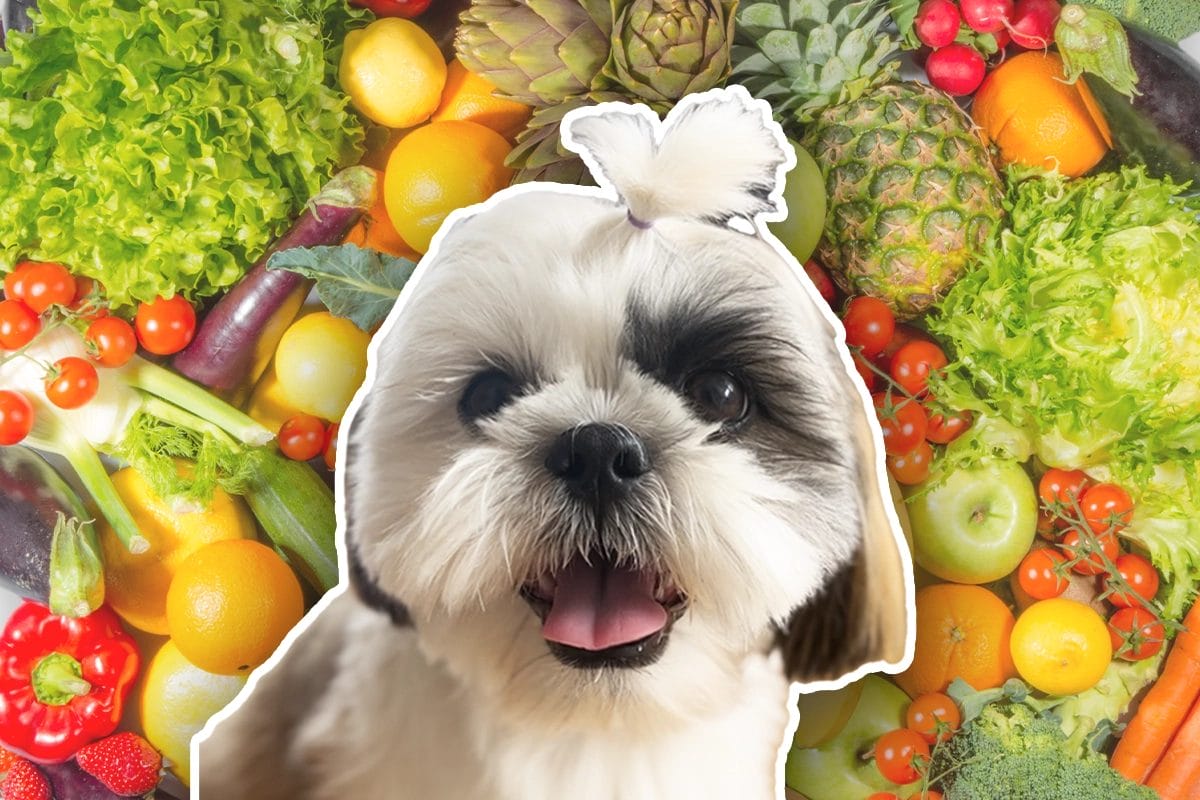
What Fruits & Vegetables Can Shih Tzu Eat? (4-Season Guide)
In this complete 4-season guide to What Fruits Can Shih Tzu Eat as well as Vegetables, you will learn an important lesson…
Takeaway Bites:
- Fruits that Shih Tzu can eat include Strawberry, Blueberry, Apple, Banana, Watermelon, Melon, and Mango.
- Vegetables that Shih Tzus can eat are Carrots, Cucumbers, Spinach, potatoes, Broccoli, Zucchini, Pak Choy, Asparagus, Celery, and Butternut squash.
- Keep fruits and vegetables about 10-15% of your Shih Tzu’s diet.
- The in-season approach provides appropriate nutrition to your dog.
- Keep in mind, many dogs have sensitive guts. Do your research to feed the suitable fruits and vegetables.
- Optimal fruits and vegetables can enhance your Shih Tzu’s health. However, some must be avoided, for example, grapes, onion, and garlic.
Personal Experience with Billy, Shih Tzu with a Sensitive Gut
Like any Shih Tzu owner would tell you, this adorable breed has unique needs and quirks. Billy has a sensitive gut that requires extra attention. Early on, I realized that his gut reacted sensitively to certain foods, leading to discomfort and sometimes acid reflux, or even vomiting and soft stools.

For example, oranges and spinach will trigger acid reflux with Billy, which at the time I did not understand why.
Even though I went to two veterinarians, their advice seemed to be to change Billy’s to dry food until the symptoms went away. One vet even mentioned occasional vomiting was all right unless it became chronic. I didn’t agree with them. I refused to see my dog suffer.
It turned me into a detective, determined to find options that are not only tasty but also keep his digestive system content. I realized not all fruits listed on the Internet that say it’s good for dogs are good for Billy.
Experimenting and learning, I carefully jotted down his reactions and tweaked his diet accordingly. This process made me realize that just like people, every Shih Tzu has their own unique style and requirements. What works like magic for one might not be a match for another, and that’s completely fine. (More about this story…)
Later, with tons of research, I landed on some clues about histamine. Now, to keep this article on point, I will write another article about that soon.
Bonus: Download FREE Shih Tzu Herbal Tea Handbook ➔
Anyway, the takeaway is this: If you have a gut-sensitive Shih Tzu, you better avoid food that is high-histamine1 until the symptoms go away for some time.
Since I realized this, Billy is pretty much free from the issues he had for the first 6 months of his life.
How Much Fruits and Vegetables Can I Give My Shih Tzu?
When feeding your Shih Tzu, you should only give them fruits and veggies in small quantities—no more than 10-15% of their diet.

The sugar in fruits can lead to inflammation. But we can’t deny that there are a lot of vital nutrients in vegetables and fruits that you won’t find in regular dog food, so a little bit goes a long way.
Just don’t go overboard. And if your dog doesn’t like something, don’t force it to eat!
The In-Season Approach to Feeding Fruits and Vegetables
I adopt an in-season approach2 to feeding my Shih Tzu. This philosophy, rooted in Traditional Chinese Medicine (TCM), aligns with the natural rhythm of life.
It isn’t just a trend or a fad; it’s timeless animal instincts. Interestingly, I came across a book called “Forest Unseen” which mentions deer can suffer from indigestion, which actually can be fatal if they consume non-seasonal food.
It reinforces my belief that the food of each season offers nutrients that align with the challenges and demands of that time of the year. It is true for humans and for animals (our pets) too. For example, Spring is a season of renewal and growth, we can feed food that supports vitality and cleansing. In summer, we can offer food that is hydrating and beating the heat.
By providing food in harmony with the seasons, we can nourish our pets while honoring their biological needs.
In-Season Fruits and Vegetables Safe for Shih Tzu
Below are lists of fruits and vegetables that are beneficial to most dogs in different seasons. It is not necessary to follow the season strictly, but it is a suggestion that it will be extra beneficial to feed your dog according to the season.

By tailoring your dog’s diet to the seasons, you’re not only aligning with nature’s rhythms but also addressing their unique requirements as the year unfolds.
Furthermore, adapting their meals to the seasons enhances variety and excitement in their diet, preventing boredom and ensuring they get a spectrum of nutrients.
This holistic approach ensures that your dog enjoys a well-rounded, harmonious diet year-round, optimizing their overall well-being.
So, here you are!
SPRING
Now let me break it down…
Spring Fruits
Spring Veggies
Now let me break it down…
Apple
Of course, Shih Tzus can eat apples! It is one of the top treats to offer your Shih Tzu. It is full of vitamins A and C, plus fiber. And apple peels are rich in quercetin, which has an antihistamine effect and gives extra help to Shih Tzu with allergies.
Additionally, apple is teeth-friendly and breath-freshening for dogs. But make sure not to let your dog eat the seeds and core, as they hold a tad of cyanide.
Fresh is best, but homemade apple chips are also a good treat for your fur baby too! A slice or two is plenty for most dogs.
Strawberry
Strawberries are safe for Shih Tzu. It is a low-calorie fruit full of vitamins C and K, fiber, and antioxidants. It also contains an enzyme that helps whiten dogs’ teeth. However, removing the green leaves before giving them to your dog is important, as these can be toxic. Since it contains natural sugar, moderation is key.
Pineapple
Pineapple serves up vitamins C, A, and manganese, plus digestion-friendly enzymes. Peel off the tough skin and cut into small, chewable pineapple chunks when feeding.
However, if you have a Shih Tzu with a sensitive gut, make sure your dog eats in moderation. This is because pineapple is a histamine liberator. This will trigger the release of existing histamine in the body, leading to allergic symptoms, which include causing your Shih Tzu to vomit.
Banana
Banana is healthy for your Shih Tzu. Packed with potassium, vitamin B6, and C, they’re soothing for upset tummies too. Just watch the portion, as too many can lead to weight gain.
A slice or two is a perfect portion to help your Shih Tzu get some good digestive enzymes from banana.
Apricot
Apricots, in moderation, are a safe and healthy treat to incorporate into Shih Tzu diet from time to time. Just make sure to remove the pit, stem, and leaves. The flesh provides vitamins A and C, plus fiber, aiding digestion and boosting immunity.
Asparagus
Asparagus is a safe and nutritious vegetable for both humans and dogs!
It is a good source of vitamins A, C, and K, as well as fiber. But remember, you have to cook asparagus before giving it to your dog, Otherwise, they might experience vomiting and gas or diarrhea because the raw stalks are tough to digest. The best way to cook vegetables in general is to steam them.
Bonus: Download FREE Shih Tzu Herbal Tea Handbook ➔
A few small asparagus spears are a good serving size for most dogs.
Kale & Swiss Chard
Kale and Swiss Chard3 can be a bit of a head-scratcher. Opinions vary, some saying no while others say yes. It’s a toss-up.
Here’s my take: stick to your grandma’s wisdom—moderation is key! As long as you don’t go overboard and mix up their veggies, Kale and Swiss Chard are not harmful to dogs. (Even Dr. Karen Becker DVM agrees!) It’s a nutritious pick, boasting vitamins A, C, and K, calcium, and antioxidants.
Just remember, to remove the tough stems and ribs before offering it to your dog. Lightly steam and cook it will make sure your dog has no problem digesting them.
Overall, kale leaves and Swiss Chard are good vegetables for a Shih Tzu that do wonders for heart health and cancer defense!
Spinach
Spinach may be one of the most controversial veggies to feed dogs as spinach is very high in oxalic acids, which can affect calcium absorption and urinary health.
But small amounts of spinach can provide some benefits. It is rich in vitamins A, C, and K, plus essential minerals, it supports immune health and strong bones. Its antioxidants promote eye health and combat free radicals. Fiber in spinach also aids digestion and hydration due to its high water content.
To prepare spinach for dogs, lightly steaming can reduce goitrogenic effects. Raw, chopped, steamed, or in treats, spinach can be a nutritious delight for your dog!
Another heads-up: spinach packs histamine4. If your Shih Tzu, like Billy, deals with acid reflux, it will be a smart move to skip it.
Carrot
Carrots are rich in beta-carotene, a vitamin A converter that supports vision, skin, and immunity. Remember, carrot is starchy, so make sure you keep in mind how much carrot to your dog.
SUMMER
Again, here is the breakdown…
Summer Fruits
Summer Veggies
Cherry
Cherries add a burst of summer flavor to your dog’s plate! But watch out for those pits—they’re a no-go because the pits and stems contain cyanide, which is poisonous to dogs if consumed in high quantities.
Opt for pitted cherries and share them as an occasional treat. Your dog must love that!
Raspberry
Raspberry is considered a summer super fruit. Although it is a fact that raspberry contains natural xylitol, an all-natural sweetener that can be toxic to dogs, don’t freak out. Dogs can eat raspberries without problems unless they eat in very large quantities (I mean A LOT). A 20 lb (ca. 9 kg) dog will need to eat 4 – 6 full cups of raspberries to be toxic.
You will not even eat that much of raspberry in a week!
So, relax! Packed with vitamins, manganese, and fiber, raspberries rank among the top berry choices for your dog.
Blueberry
Blueberries, the little summer powerhouses, offer a tasty treat for your dog. Bursting with antioxidants, vitamins, and fiber, they’re a nutritional boost.
Oh, and here’s a little secret: they help to battle with tear stains. I know a lot of Shih Tzu and other dogs have tear stains problems. Lots of people share on social media that blueberry is the solution!
Cantaloupe
Cantaloupe is another great summer refreshment. It is a juicy delight for your dog. It’s a cooling treat that provides hydration, vitamins A, and C, folic acid, and antioxidants to your dog. Make sure to remove seeds and rind before feeding.
A few bite-sized pieces are perfect for your dog (especially a senior) to boost vitamin C during the summer heat.
Papaya
Papaya is an excellent tropical fruit for any dog in Summer. Papaya contains a good source of vitamins A, C, K, and E, fiber, and different minerals. In addition, papaya has an antiparasitic effect to help make your dog’s intestinal tract less attractive to worms.
Watermelon
Watermelon is always on the top of my list in summer to give Billy. It contains only about 50 calories per cup and 92% water. It has no fat or cholesterol, making it a great hydrating treat for Shih Tzu and any dogs on hot days. Just make sure you remove the seeds as they can cause intestinal blockage.
Celery
Celery is known as a healthy treat in summer for dogs that need to lose some weight. Celery is low in calories and cholesterol with an excellent source of fiber, vitamins A, C, K, potassium, and manganese. It can also freshen up your dog’s breath.
Cucumber
Billy loves cucumber!
This crunchy veggie is a fantastic dog-friendly snack, boasting low calories and a hydrating punch. Perfect for dogs aiming to shed a few pounds. Loaded with antioxidants and anti-inflammatory perks, it is a no-brainer healthy treat.
Remember, keep that skin on—it’s where the goodness is found!
Zucchini
Next, zucchini is another nutrient-dense food you can feed your dog in summer. Apart from high water content and vital nutrients, zucchini contains soluble and insoluble fiber, which helps constipation and soften stools. And it also helps maintain good health in the gut.
Bonus: Download FREE Shih Tzu Herbal Tea Handbook ➔
You can give your dog zucchini in both raw or cooked form. I prefer to lightly steam it for better digestion. If you prefer to give it raw, make sure you cut it into small pieces and introduce them slowly, as too much raw zucchini will cause stomach discomfort5.
Broccoli
I can’t speak enough of how much broccoli helped Billy. From his puppy days, he wrestled with a leaky gut—constant loose stool and frequent acid reflux. But since I homemade his food with broccoli, his condition improved significantly. I later found out that broccoli specifically helps reduce inflammation and maintain a healthy microbiome in the gut.
Although raw broccoli has more nutrients than cooked broccoli, I still prefer to cook them, so it is easier for my very sensitive gut Shih Tzu (especially if you first introduce it). The best way to cook them but still preserve the goodness is to steam them for no more than 3 minutes, plus cut them into small pieces for better digestion.
Sweet Pepper
All colors of bell peppers are rich in vitamins and nutrients but among them, the red ones are most nutritious. It has 4 times more vitamin C than orange. It can improve your dog’s cardiovascular system and fight against free radicals.
Just remember when feeding bell pepper, peel the skin and seeds as these are difficult to digest. Sweet pepper is best fed raw but in small bite sizes.
AUTUMN
Autumn food and veggies breakdown…
Autumn Fruits
Autumn Veggies
Melon
Much like cantaloupe, all melons are dog-friendly snacks. Filled with vitamins K, potassium, manganese, folic acid, and fiber, it’s a power-packed add-on for your dog.
When giving it to your dog, choose the ripe ones—the softer texture is gentler on their tummy. Remember to remove the seeds and dice them into tiny bits before serving up this fruity goodness to your dog.
Asian Pear
Asian pear is much sweeter and crisp than regular pears. It’s one of the best nurturing fruits to consume especially in Autumn.
Ensure you remove the seeds and cut them into bite-sized pieces before giving them to your dog. The seeds contain the toxin cyanide, which is harmful to your dog.
Cabbage & Brussels Sprouts
Cabbage and Brussels sprouts are in the same family as broccoli and cauliflower. They are very good and dog-friendly food. They are low in calories and high in fiber, vitamins, and minerals. The fiber in cabbage and Brussels sprouts can help support your dog’s digestion, and immune system and even fight cancer.
Only give cabbage and Brussels sprouts in moderation. Feeding too much will lead to gas and gut irritation. You can decide to feed them raw or cooked. However, I prefer lightly steamed veggies for better digestion.
Butternut Squash
Just like cucumber and zucchini, butternut squash is another fantastic choice for your dog. Especially for gut-sensitive Shih Tzu, butternut squash is often seen in homemade recipes for allergic dogs. The bonus? Low histamine levels make it very safe even for gut-sensitive dogs.
Every Autumn, once I see butternut squash available in the market, I will buy and incorporate it into Billy’s diet. I always remove the skin and seeds and steam until soft before feeding. Never give raw butternut squash to your dog.
Green Beans
In Traditional Chinese Medicine (TCM), green beans play a starring role in nurturing kidney functions. Autumn, in particular, becomes the perfect time to embrace their detoxifying benefits. Surprisingly, green beans contain omega-3 fatty acids that wield anti-inflammatory powers. It’s a wholesome addition to your dog’s diet, offering a dose of healthiness that’s too good to miss out on.
WINTER
Finally, it’s winter time, here you go…
Winter Fruits
Winter Veggies
Orange
Oranges shine as an excellent vitamin C source for dogs. The bonus? This citrus fruit can safeguard against kidney stones and boost kidney well-being.
While I’d love to treat Billy to oranges, his acid reflux flares up. If you’re easing your sensitive Shih Tzu into oranges, start small and watch closely. Some Shih Tzus may not be good with oranges if they have a history of acid reflux. Well, if that’s the case, it’s probably best to skip the oranges.
When feeding oranges, remember to remove the peel and seeds, as they might obstruct the digestive tract.
Kiwi
Kiwi has even more vitamin C than orange and more potassium than a banana. It is also rich in digestive enzymes, which can benefit dogs with GI issues. However, it is the same case as orange, if your dog is known to have a sensitive gut, you want to be extra careful. In Billy’s case, for example, he has no issue eating kiwi but I also limit his consumption.
Remember to peel it before serving. Your dog’s tummy will thank you!
Pumpkin
Pumpkin is a superhero for your dog’s tummy. If your dog experiences constipation, its fiber magic can help by making its poop firmer and helping its digestive muscles move waste along. On the other side, if your dog is dealing with the runs, pumpkin’s soluble fiber steps in, slowing things down and soaking up excess water.
But that’s not all! Pumpkin throws a party for good gut bacteria. Plus, it’s loaded with vitamins A, C, and E, potassium, iron, and zinc—boosting their immune system, muscles, skin, and coat.
And get this, pumpkin has a secret weapon: beta-carotene, a cancer-fighting champion. Its orange hue means it’s packed with this awesome stuff that could help fend off some types of cancer.
Lettuce
Lettuce, being 90 percent water, might not pack a high nutritional punch, especially iceberg lettuce. However, it’s not without benefits. It contains beta-carotene, which converts to vitamin A, and it’s a solid fiber source. Nutritional value differs across lettuce types, so it’s good to explore the variety it offers. Remember, rotating different vegetables is very important to keep your Shih Tzu healthy!
Potato
Potato is safe for Shih Tzu. In fact, small dogs may need a little more carbohydrates than larger breeds as they have a high metabolic rate6. It also contains simple and complex carbohydrates which is healthy for Shih Tzus. It is rich in vitamins B6 and C, as well as iron and potassium, they contribute to red blood cell formation, immune system enhancement, and overall body function.
However, a balanced diet is crucial. Excessive consumption can lead to health issues like pancreatitis, obesity, and diabetes. Cook or boil the potatoes before offering them to your dog; never give your Shih Tzu raw. Although it is good for Shih Tzu, it shouldn’t be a central part of a dog’s diet. Always prioritize moderation.
What Fruits and Vegetables Are Harmful to Your Shih Tzu?
While many fruits and veggies are good for Shih Tzus, some of them are toxic! Namely, grapes, currants, raisins, onions, garlic, leeks, and chives.
Grapes and raisins, even in small quantities, can lead to kidney problems. Onions and garlic, on the other hand, can harm your furry friend’s red blood cells.

It’s always better to be safe than sorry, so before you treat your Shih Tzu to any new food, take a moment to do some research. Your dog’s well-being is worth the extra effort!
How to Introduce New Fruits or Vegetables?
Introducing any new food to your Shih Tzu requires a gradual and cautious approach to ensure their safety and digestive comfort. Follow these 10 steps:
Step 1. Choose the Right Time
Start when your Shih Tzu is healthy and not experiencing any digestive issues. Starting at the time of optimum well-being sets the stage for a smoother transition.
Step 2. Select Safe Options Specific to Your Shih Tzu
Opt for dog-friendly options like blueberries, carrots, or spinach. Avoid toxic ones like grapes, onions, and garlic. Also, mind your dog’s gut sensitivity to choose the right ones for their tummies. This careful selection ensures that your pet enjoys nourishing treats without any potential harm.
Step 3. Prepare Small Portions
Offering a thin slice of the food is sufficient for initial testing. This cautious step allows you to observe any reactions or sensitivities.
Step 4. Gently Cook or Steam
For easier digestion, lightly cook or steam the fruit or vegetable. This gentle preparation method breaks down the food’s fibers, making it easier for your Shih Tzu to process. Avoid adding any seasoning or spices.
Step 5. Observe and Take Note
Watch your Shih Tzu for any adverse reactions. Check for stomach upset, diarrhea, or allergic symptoms like itching. You can promptly identify any responses and take appropriate action. Take note and keep a list of foods safe for your dog.
Step 6. Introduce One at a Time
Introduce only one new food at a time. This deliberate approach isolates the source of any adverse reactions, making it easier to determine whether a particular food is suitable for your Shih Tzu.
Step 7. Monitor Consistency
If your dog responds positively to the newly introduced food, maintain consistency by offering small amounts over a few days. This approach allows your pet’s digestive system to adjust gradually and minimizes the risk of any sudden adverse reactions.
Bonus: Download FREE Shih Tzu Herbal Tea Handbook ➔
Step 8. Rotate Slowly
As your Shih Tzu becomes accustomed to new food, consider introducing a variety over time. Slowly rotate different options to diversify their diet. Always remain observant for any unexpected adverse effects that may arise.
Step 9. Consult the Vet
In cases of uncertainty, always seek guidance from your veterinarian. A professional opinion can provide valuable insights and help address any potential risks or uncertainties.
Step 10. Remember Moderation
Remember that moderation is key. Even if your Shih Tzu enjoys a particular food, ensure it is offered in moderation. These treats should complement their balanced diet, contributing to overall health and well-being.
By taking these steps, you can safely introduce new food to your Shih Tzu and discover which options they enjoy and tolerate well.
NOTE: This article is intended to inform, not to replace any veterinarian medical advice. If you are in doubt, be sure to do a lot of research and consult with experts to find out what will work best for your dog.
Frequently Asked Questions
Can Shih Tzu Eat Fruits Daily?
Yes, but offer them in moderation. Fruits should make up a small portion of their diet, ideally around 10-15% to avoid excessive sugar intake.
What Are the Benefits for Shih Tzu Eating Fruits and Vegetables?
According to a study7, fruits, and vegetables can support dogs’ overall health, boost the immune system, and potentially reduce the risk of cancers.
What Vegetables Can Shih Tzu Eat?
Shih Tzus can safely eat vegetables like carrots, cucumber, cabbage, and sweet potatoes. But it’s better to steam them before feeding for better digestion.
What Fruits Can Shih Tzu Eat?
Shih Tzus can safely eat fruits such as apples, bananas, and blueberries. But it’s crucial to beware of the quantity as fruits contain a lot of sugar.
What Fruits Can Shih Tzu Not Eat?
Shih Tzus should avoid consuming grapes, raisins, onions, garlic, leeks, and chives. These are toxic to dogs and can lead to various health issues, including kidney problems and damage to red blood cells.
Can Shih Tzu Eat Frozen Strawberries?
Yes, provided that they are cut into small, bite-sized pieces. Frozen strawberries can be a refreshing and nutritious treat.
Can a Shih Tzu Eat Avocado?
Yes and no. Avocado contains a natural fungicide called pepsin, which can be harmful to dogs in certain parts of the fruit. Avocado flesh is generally safe for dogs in moderation, but the skin and pit of avocados should not be consumed. I prefer my dog to avoid eating avocado overall.
Can a Shih Tzu Eat Sweet Potato?
Yes. Sweet potatoes are a healthy carbohydrate source, rich in vitamins and fiber. Ensure they are cooked thoroughly before feeding your dog, as raw sweet potatoes can be difficult to digest.
Can a Shih Tzu Eat Mushrooms?
Overall, it’s best to avoid mushrooms, especially wild ones, unless you’re sure about their safety. There are over 14,000 species of mushrooms, and not all of them are safe for dogs. Some specific mushrooms are safe and beneficial for dogs, including Turkey Tail, Lion’s Mane, Cordyceps, and Maitake.
Want to keep your Shih Tzu healthy?
Sign up and join 100+ other subscribers to receive a FREE Shih Tzu Herbal Tea Handbook.

